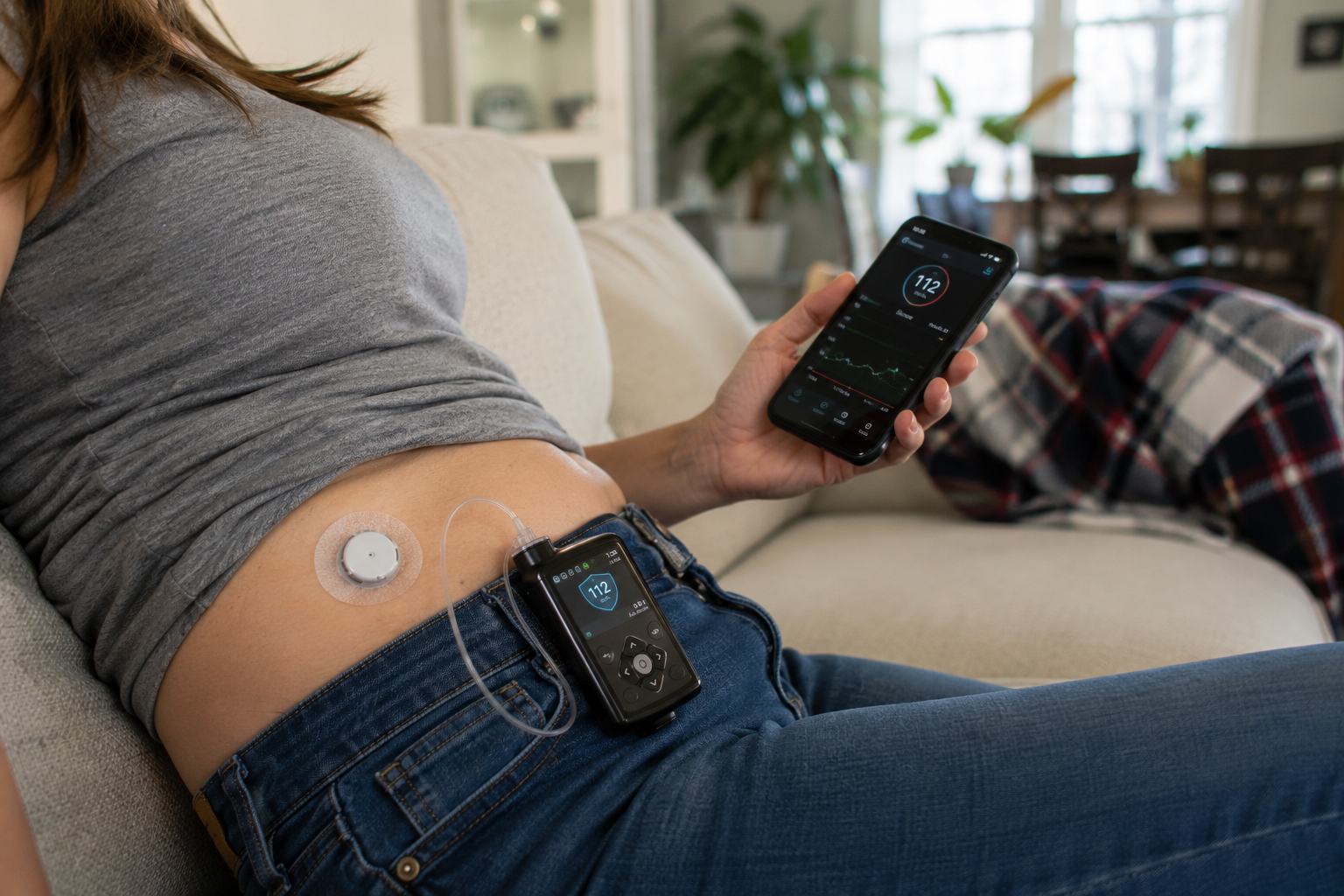
In a world where technology and healthcare intersect, the potential for cybersecurity threats has never been more real. Imagine a scenario where a hacker gains access to a connected medical device, alters its operation, and a patient suffers serious injury. While this may sound like a plot from a science fiction novel, it’s a scenario that has nearly unfolded in real life.
The Reality of Medical Device Vulnerabilities
In 2019, Medtronic recalled certain MiniMed insulin pumps due to identified cybersecurity vulnerabilities. According to the FDA, these vulnerabilities allowed unauthorized individuals to wirelessly connect to the pumps, potentially altering insulin delivery. Fast forward to 2022, and similar issues prompted further corrective actions for the MiniMed 600 Series pumps. The risks were clear: unauthorized access could lead to incorrect insulin delivery, posing severe health risks such as hypoglycemia or hyperglycemia.
These incidents highlight a critical issue: the intersection of technology and physical health. When a medical device is compromised, the consequences extend beyond data breaches to potentially life-threatening situations.
Which Insurance Policy Pays?
In the event of a cyberattack on a medical device, determining which insurance policy covers the loss can be complex. The initial thought might be to file a Cyber Insurance claim since a hacker caused the incident. However, the situation is more nuanced.
- Cyber Insurance: Typically covers losses from cyber incidents, including data breaches and network security failures.
- Product Liability Insurance: Addresses claims that a product caused bodily injury or property damage.
- Technology Errors & Omissions (Tech E&O): Covers claims related to errors or failures in technology products or services.
A single event, like a hacked medical device, could potentially involve all three types of insurance. The cyberattack compromises the technology, which affects the medical device, leading to bodily injury. Thus, the question isn’t just about having Cyber Insurance but understanding how all relevant policies interact.
The Complexity of Responsibility
Adding another layer of complexity is the question of responsibility. The vulnerability might not solely lie with the device manufacturer. It could involve third-party software developers, hospital networks, or technology vendors. Each party may have different insurance policies, and determining fault could involve multiple legal considerations, such as causation and negligence.
The Growing Attention to Medical Device Cybersecurity
The FDA has recognized the significance of these risks, updating its guidance to manufacturers to ensure medical devices are resilient to cybersecurity threats. This guidance underscores the blurred lines between technology risk and physical risk, emphasizing the need for comprehensive insurance strategies.
Preparing for Overlapping Risks
As medical devices become more connected, the traditional boundaries of insurance are being challenged. A single incident can trigger multiple policies, from Cyber Insurance to Product Liability and Tech E&O. For medical device companies, the critical question is not just about having individual policies but ensuring they work together seamlessly when risks overlap.
The Medtronic incidents serve as a reminder that these scenarios are not just hypothetical. While vulnerabilities were identified and addressed, the potential for patient harm was significant enough to warrant regulatory action. From a risk management perspective, it’s crucial to address these issues proactively.
If you’re a business navigating these complex insurance landscapes, understanding how your policies interact is vital. Don’t wait for a hypothetical situation to become a reality. Reach out to our agency today to ensure your insurance coverage is comprehensive and cohesive, protecting you from the multifaceted risks of the modern world.