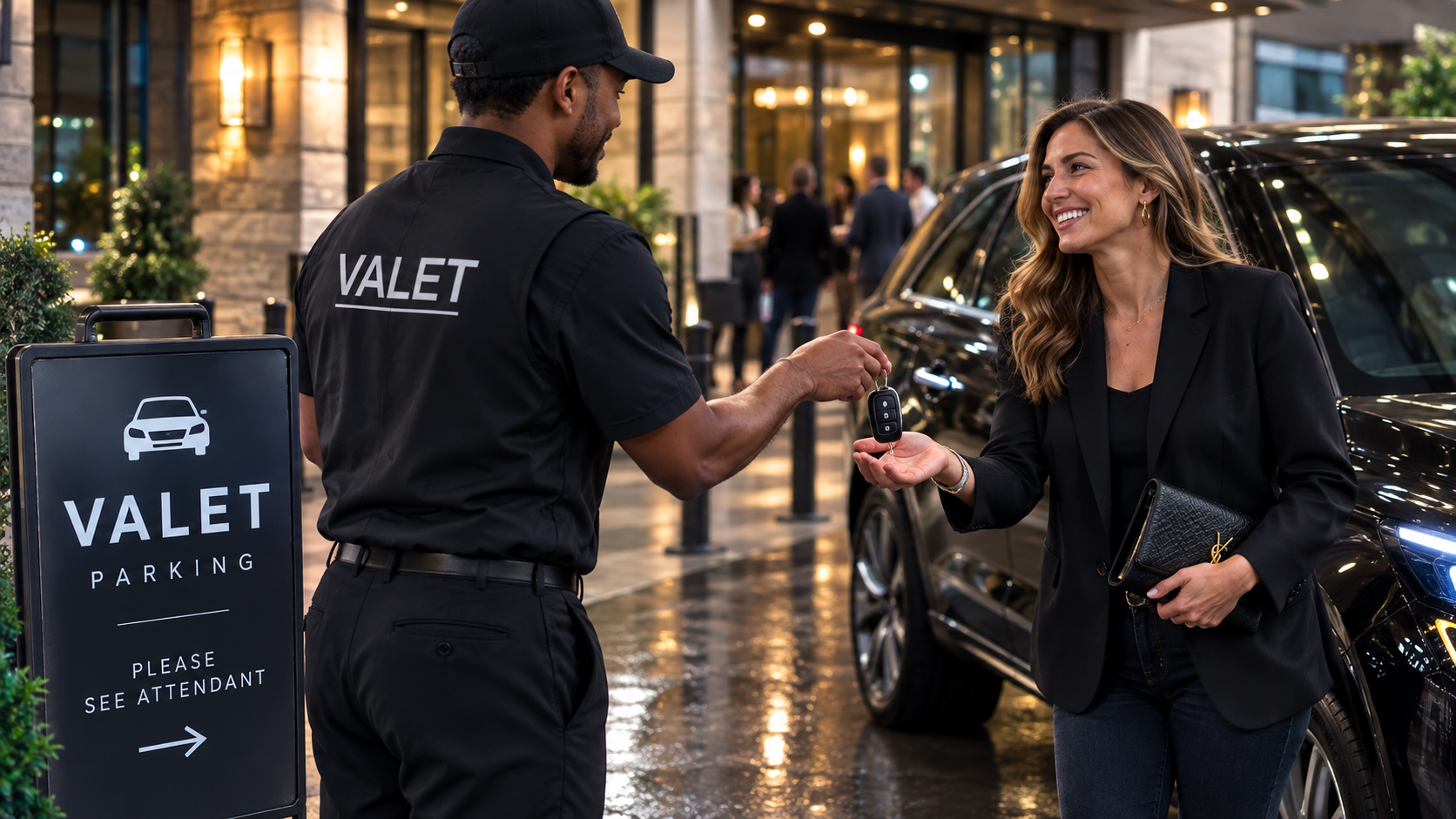
When a customer hands over their car keys to your valet attendant, they expect one thing: to receive their vehicle back in pristine condition. As a valet company owner, you understand this responsibility all too well. However, what many business owners don’t realize is that not every Garagekeepers policy responds the same way when things go awry.
Understanding these differences before a claim arises can empower you to make informed decisions about safeguarding your business.
The Common Misconception Among Valet Owners
It’s easy to assume that if a customer’s vehicle is damaged while in your care, your Garagekeepers Coverage will automatically cover the loss. After all, isn’t that why you purchased the coverage?
Not necessarily.
The wording of your policy can significantly impact how a claim is assessed. Unfortunately, many business owners only discover this after a loss has occurred.
Real-World Scenarios to Consider
Imagine customer vehicles are damaged while in your care due to:
- A sudden hailstorm.
- A flash flood.
- A healthy tree falling during severe weather.
The vehicles were undeniably damaged while in your possession. But here’s the crucial question:
Did your business actually cause the damage?
In these situations, your employees didn’t create the storm, cause the flood, or make the tree fall. Since your business may not be legally responsible for the event itself, the way your Garagekeepers Coverage is written becomes a critical factor in how a claim is evaluated.
Three Ways Your Coverage Can Respond
For an otherwise covered loss and subject to the policy’s terms, Garagekeepers Coverage can be structured in three ways: Legal Liability, Direct Excess, or Direct Primary.
-
Legal Liability: Covers damage to a customer’s vehicle when your business is legally responsible for the damage.
-
Direct Excess: Covers damage when your business is legally responsible. It also provides coverage when your business is not legally responsible, but in that situation, the customer’s applicable insurance is primary and your Garagekeepers Coverage is excess. If no applicable customer insurance exists, Direct Excess responds to the covered loss.
-
Direct Primary: Covers damage to a customer’s vehicle regardless of whether your business is legally responsible and responds as primary coverage rather than requiring the customer’s applicable insurance to respond first.
The right choice depends on your operation, contractual requirements, risk tolerance, and how you want your insurance to respond after a covered loss.
From a business owner’s perspective, that last point can be especially important.
Imagine that healthy tree damages several high-end vehicles in your care. Your company did nothing wrong and may have no legal responsibility for the loss. But you still have customers whose vehicles were damaged while entrusted to your business.
You may also have an important relationship with the hotel, restaurant, country club, or other property where you provide valet service.
At that point, the question isn’t necessarily just:
“Are we legally responsible?”
It may also be:
“How do we want to respond to our customers?”
Having your Garagekeepers Coverage structured appropriately can give your business options when situations like this occur—even when your company wasn’t responsible for causing the damage.
There’s Another Important Question: Is Collision Included?
How your Garagekeepers Coverage is structured is only part of the equation.
You also need to understand what types of physical damage your policy actually covers.
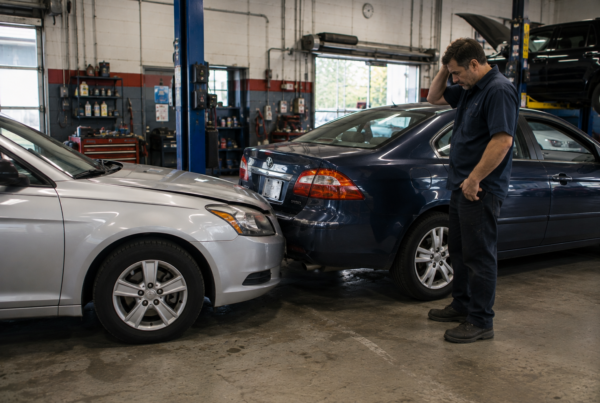
Imagine one valet attendant is returning a customer’s vehicle while another attendant is backing a different customer’s vehicle out of a parking space. The two vehicles collide.
Your company may be legally responsible for the damage. But legal responsibility alone does not create Collision coverage.
Collision must be included in your Garagekeepers Coverage for collision-type losses to be covered.
This is an important distinction.
Legal Liability, Direct Excess, and Direct Primary determine how your Garagekeepers Coverage responds based on legal responsibility and other applicable insurance.
Comprehensive, Specified Causes of Loss, and Collision determine what types of physical damage are insured.
That means even a Garagekeepers policy written as Direct Primary does not automatically cover every type of damage to a customer’s vehicle. The cause of loss still has to fall within the physical damage coverage you purchased.
The Essential Questions to Ask Your Insurance Agent
Instead of simply asking:
“Do I have Garagekeepers Coverage?”
Ask:
“Is my Garagekeepers Coverage written as Legal Liability, Direct Excess, or Direct Primary—and why is that the right choice for my business?”
Then ask one more:
“Does my Garagekeepers Coverage include Collision?”
These questions can lead to a much more meaningful conversation about how your insurance is designed to protect your valet operation.
Empower Your Business Decisions
Many valet company owners are surprised to learn that two businesses can both carry Garagekeepers Coverage yet have policies that respond very differently.
One may have Legal Liability while another has Direct Primary. One may include Collision while another does not.
Simply seeing “Garagekeepers Coverage” on your policy doesn’t tell the entire story.
Understanding how your coverage is structured, what types of losses it covers, and how you want your insurance to respond when something goes wrong can help you make more informed decisions about protecting your business.
At Resilient Risk, we believe informed business owners make better insurance decisions because understanding your coverage is just as important as having it. If you have questions about your Garagekeepers Coverage, reach out to our agency for more information. We’re here to help you navigate your options and ensure your business is protected.