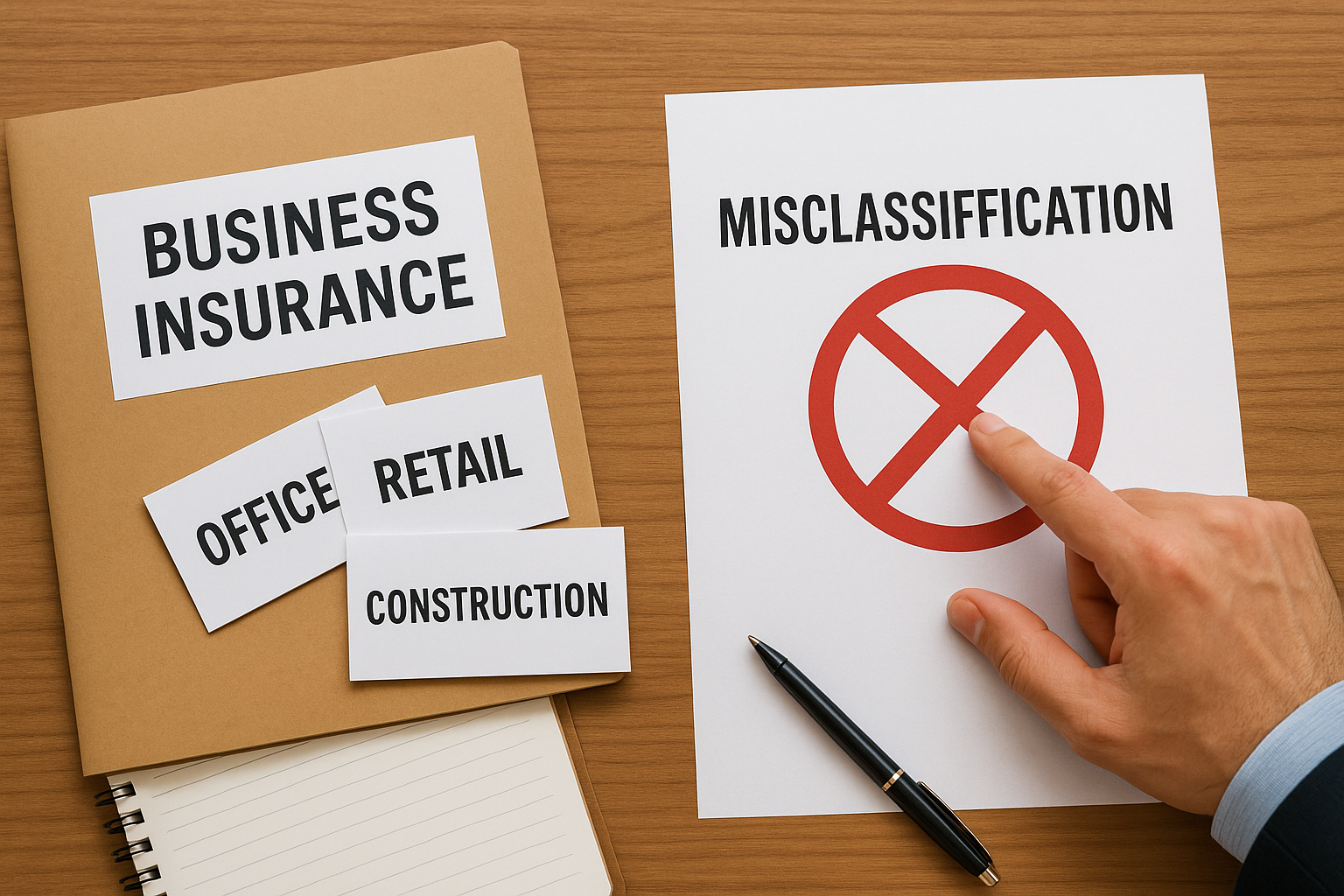
Understanding the Risks of Misclassification
When it comes to securing insurance for your business, accuracy in classification is crucial. Misclassifying your business can lead to serious consequences, as seen in the case of John Carter, a small business owner who faced significant challenges due to an insurance agent’s error.
The Background
John Carter owned a commercial cleaning company that specialized in industrial facility cleaning, dealing with hazardous materials like chemical spills and biohazard waste. These operations typically come with higher insurance premiums due to the inherent risks. However, in an effort to offer a competitive premium, an insurance agent misclassified John’s business as a standard janitorial service. This misclassification not only reduced the premium but also significantly altered the coverage terms.
The Incident and Its Fallout
Six months into the policy, a severe chemical spill occurred at one of John’s client sites, leading to contamination and regulatory violations. The cleanup costs amounted to $250,000, and lawsuits followed. When John filed a claim, expecting his insurance to cover the losses, he faced a harsh reality.
-
Claim Denial: The insurance carrier denied the claim upon discovering the misclassification, as the policy did not cover hazardous material cleanup.
-
Policy Rescission: The policy was rescinded due to material misrepresentation, leaving John without coverage and facing higher premiums for future policies.
-
Financial and Reputational Damage: The financial burden from cleanup costs and legal fees was overwhelming, ultimately leading to the closure of John’s business.
-
Legal and Regulatory Challenges: John pursued legal action against the agent, but proving intent was difficult. Additionally, regulatory investigations posed further challenges.
Lessons for All Parties
For business owners like John, it’s essential to verify the details of your insurance policy and ensure your business is classified correctly. If a quote seems too good to be true, it’s worth investigating further.
Insurance agents must recognize the importance of accurate classification. Misclassification, whether intentional or accidental, can have severe legal and professional consequences, including potential loss of licensure and lawsuits.
Insurance carriers should conduct thorough due diligence during underwriting, especially for high-risk industries, to prevent incorrect classifications.
Moving Forward
Misclassifying a business to secure a deal might offer short-term gains, but the long-term consequences can be devastating for everyone involved. Proper training, ethical sales practices, and comprehensive underwriting are essential in preventing such situations.
If you have questions about your business insurance or need assistance ensuring your coverage is accurate and comprehensive, reach out to our agency today. We’re here to help you navigate the complexities of business insurance with confidence and peace of mind.